Before undo: lessons in analog craft and problem-solving from a Gen X creative director.
Analog is back, and this time, craft is leading the charge. A new generation of graphic designers is learning gouache, letterpress, screen printing, trading the infinite undo for something made by hand, once, properly. It’s a revolt against machine-made everything, and it’s good news.
I understand it completely, because along with others who cut their teeth in the late 1900s, I lived it before it was a choice. We didn’t opt into craft. We were trained in it, formally, the way you’d train in a trade. Pencil and rubber, you drew until it was right, and the rubber told you when it wasn’t. Paste-up, cut and placed by hand. Composition decided in-camera. One shot at the film, and the film didn’t negotiate. You designed with judgment, because judgment was all you had.
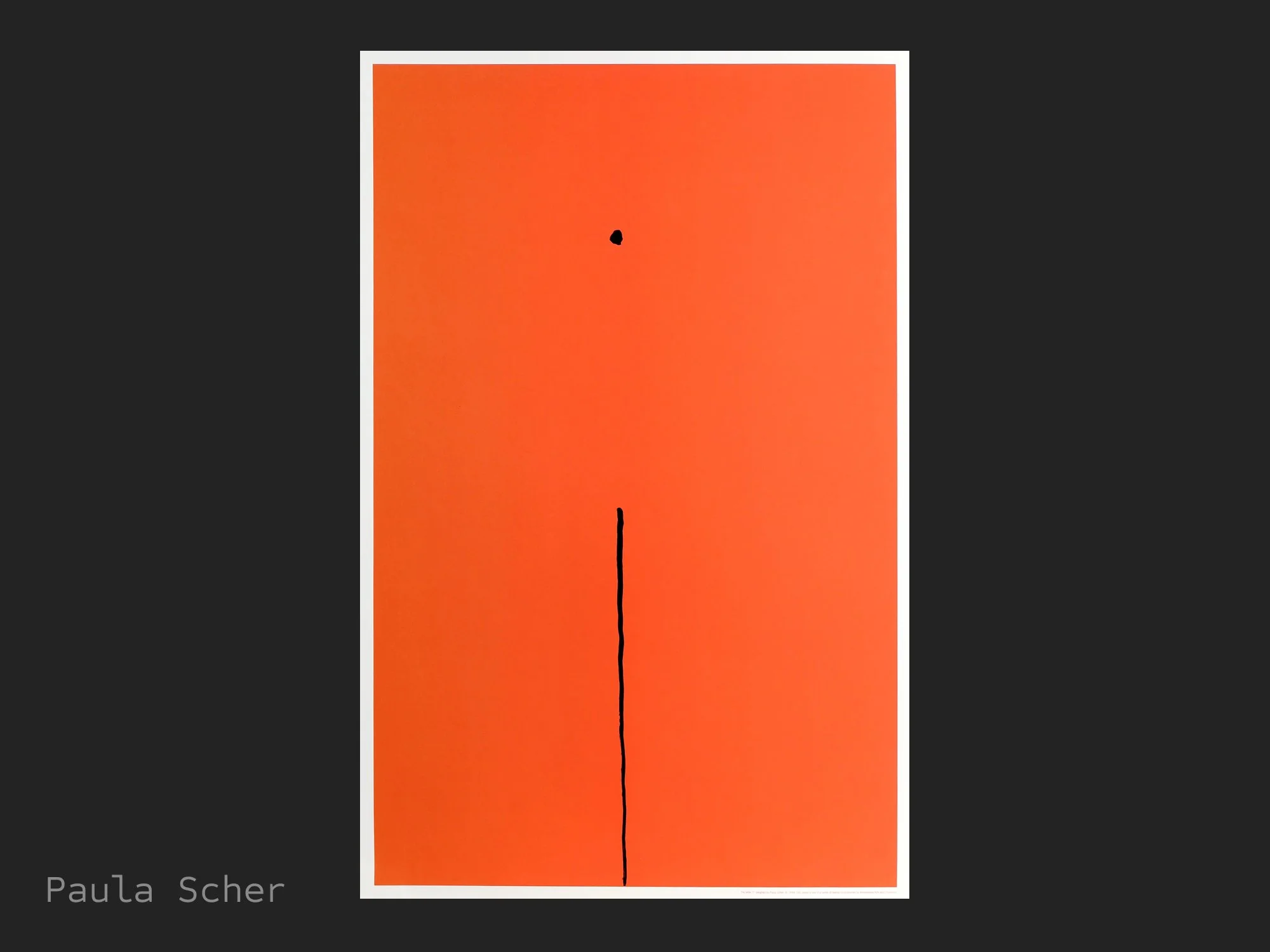
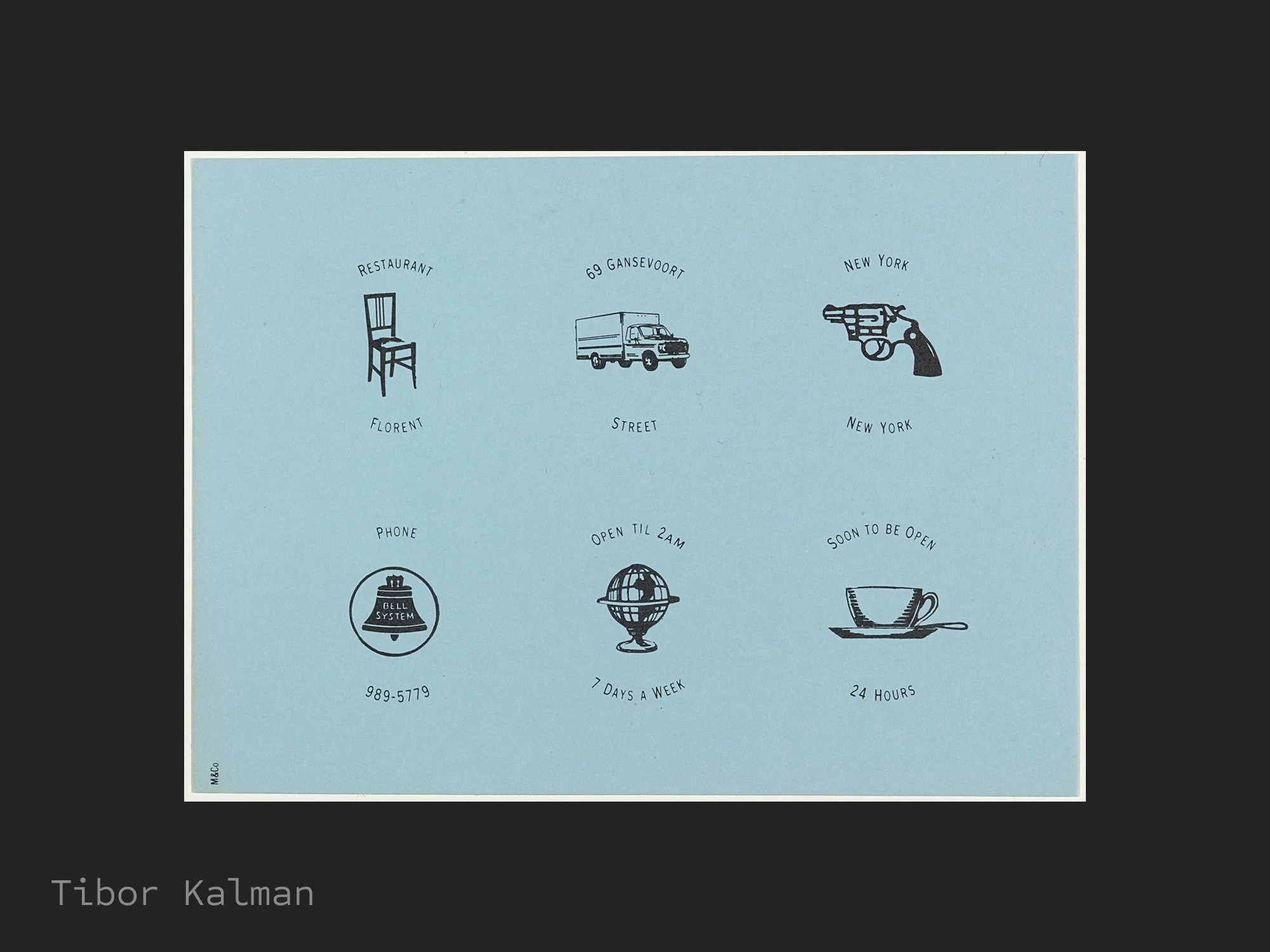
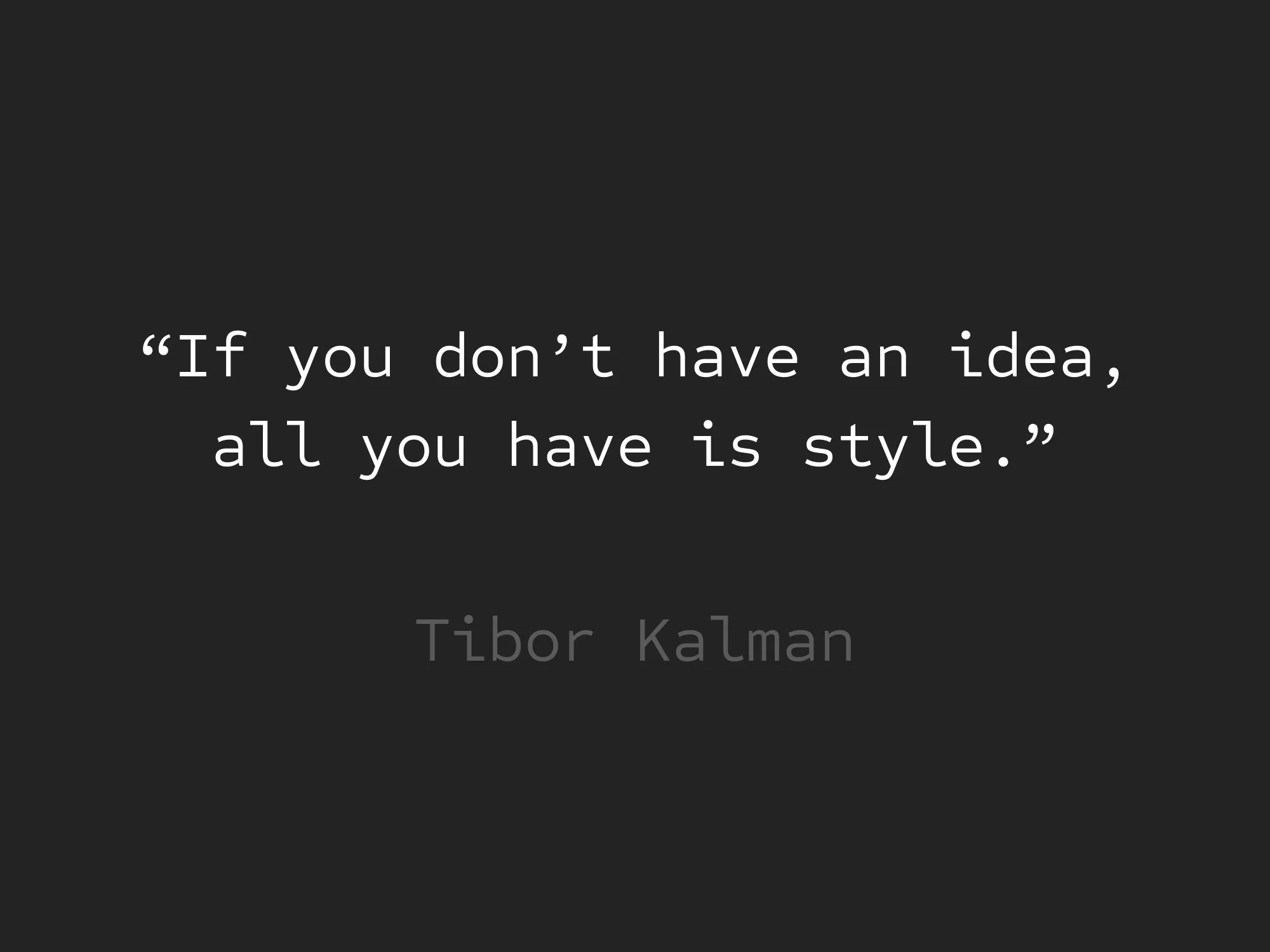
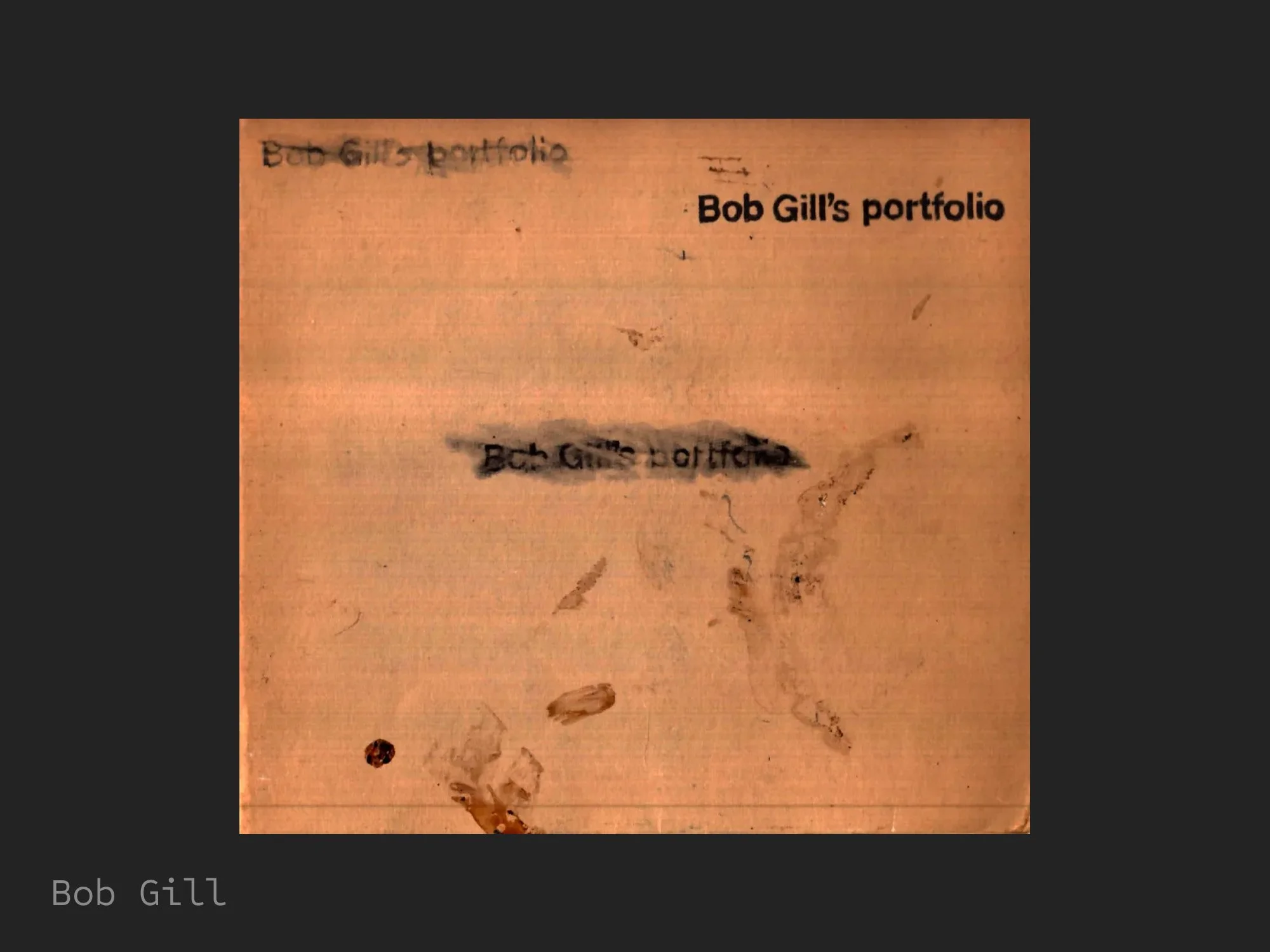
That craft is worth celebrating. But it was never the whole discipline. It was the visible half. The other half was critical thinking. At design school, and in every publication worth reading at the time, the lesson repeated until it stuck: find the right problem, and the solution finds itself. Bob Gill, one of the founding figures of graphic design, put it plainly: we practice solving problems. Not decorating. Not styling. Solving. Tibor Kalman went further: “If you don’t have an idea, all you have is style.” And Paula Scher named the part nobody puts on a mood board: “It’s through mistakes that you actually can grow. You have to get bad in order to get good.” Not a straight line. A messy one, on purpose.
That was the real training. Not the hand skill, the thinking that came before the hand was ever involved.
Craft can be relearned. Plenty of people are doing it right now, and I’m glad. But a unique problem, chased honestly, into a unique solution, that’s a degree of difficulty and focus. It was drilled into us as a discipline, not a hobby, and it’s the part that never needed a comeback because it never left.
It’s also the part I built Cul-de-sac around. Every brief still starts the same way it did on the drafting board: no visual direction, no mood board, no reference deck, until we’ve agreed on the problem we’re actually solving. Style comes last, not first; it’s the answer, not the starting point.
That’s the analog I never put down.
Marco Cicchianni, July 2026