I’ve spent many years helping organisations get noticed, and lately I’ve started to think that’s the easy part. A stranger can see you across a room and make assumptions about you, but only someone who has spent time with you knows who you are. Places work the same way.
Adelaide is about to be seen
In November 2027, MotoGP comes to the streets of Adelaide. It will be the first time the championship has raced on a city-centre circuit anywhere in the world. The organisers say the broadcast will reach more than 500 million homes.
It’s probably the biggest close-up the city has had since Formula 1 left in 1995. Plenty of people are saying the race will put Adelaide on the map. I’d argue South Australia’s map was drawn long ago, by things that took decades to build rather than a few days of racing. The flashy moment is welcome, as long as it doesn’t stand in for who we are.
What does a camera actually see?
I love my sport, and I’ve watched plenty of MotoGP with friends who are fans. A broadcast like that is very good at some things. Speed. Noise. Crowds. Corners. Race callers who know their stuff. It’s not so good at the things that make Adelaide, Adelaide, like the beaches and the Hills a short drive from the city, a festival season that takes over every summer and the food and wine regions an hour’s drive away. South Australia also has a habit of getting to progressive ideas ahead of the rest of the country, from women standing for parliament to being the first state to decriminalise homosexuality. And there’s a pace of life people move interstate for.
Compare that with the Tour Down Under. Every January, it runs in stages across the state, through places like the Adelaide Hills, McLaren Vale and the Barossa, and the landscape becomes as much a part of the broadcast as the riders. Families and whole towns set up camp chairs by the road, next to people who follow cycling all year. The cameras can’t help but show the hills, the vineyards and the small towns, and something of the place’s just-right pace. One event shows the world South Australia. The other uses Adelaide as a venue.
Gather Round works the same way. It takes footy out to Norwood and the Barossa, where the local councils turn their main streets into food and wine festivals, and brings interstate fans into the pubs, the wineries and the life of the place. That’s worth remembering, because the brand is really South Australia. Adelaide is a big part of that story, but so are the Hills, the coast, the wine regions, the farms and what they grow, and the people who make it all.
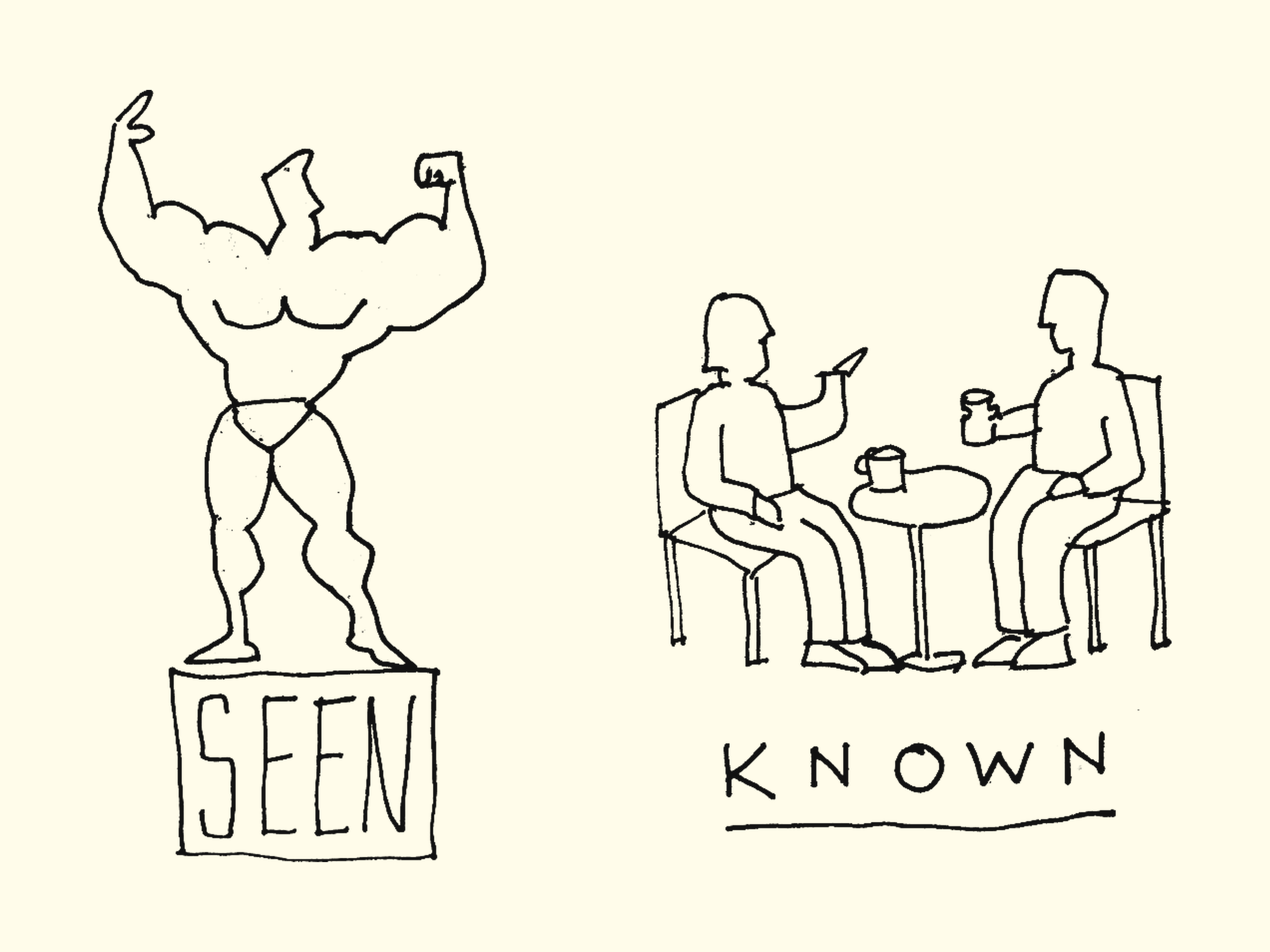
Getting noticed isn’t the same as being understood
Over the years I’ve watched brands chase the big moment, the prime-time slot or the sponsorship with their name on it, assuming that once enough people saw them, the meaning would sort itself out, which it rarely does. Exposure works like an amplifier, so whatever you bring to it gets louder, and if you haven’t worked out what you stand for, you end up famous for the wrong thing or not remembered at all. Adelaide will draw the crowd. What matters is whether anyone notices what makes us different.
Good for the economy isn’t the same as good for the brand
None of this is an argument against the race happening. Big crowds are expected, many from interstate and overseas, and they’ll fill hotels, restaurants and bars. For many local businesses, that weekend will make a real difference, and lots of people will have a great time. For motorsport fans, the world’s best riders on our own streets will be something special, and that matters.
But being good for the economy and being good for the state’s brand aren’t automatically the same thing. A full hotel tells you people came. It doesn’t tell you what they went home thinking about the place, or what the millions watching at home took away from it. The race will be in Adelaide, but it won’t really be about Adelaide.
There’s also what it takes to get the race here. The $96 million circuit means removing 377 trees from the parklands, which the government says it will replace at a 10:1 ratio. Unlike race week, the changes are permanent. And the parklands are one of the few things about Adelaide no other city can copy. They’ve shaped this city for nearly two centuries. Every time it comes down to a good camera shot or the parklands, I know which one I’d protect.
So what will we say?
The race is on its way, and it will be good for the city in many ways. But a race can’t tell the world who we are. It will show people our streets, but it won’t explain why we live here or what we care about. That job falls to tourism and events people, festivals, local businesses, and those of us who shape how the state presents itself. South Australia has never been at its best chasing the flashy. We’re much better off backing what we’ve spent decades building, and letting people find it for themselves.
Seen, or known.
Marco Cicchianni, November 2026