Sorry, Timothée, the Arts don’t need saving
Timothée Chalamet recently dismissed opera and ballet as outdated and disconnected from modern culture. It’s an easy view to hold from the outside. The evidence, however, was already running in the other direction.
At the 2026 BRIT Awards, Rosalía performed Berghain, a song in operatic German inspired by baroque composition, alongside Björk and the Heritage Orchestra. And weeks later, Misty Copeland took the Oscars stage alongside Miles Caton, Raphael Saadiq and Shaboozey, making the intertwining of classical and contemporary impossible to ignore.
When It’s Nice That recently published a piece by Base Design’s Thierry Brunfaut asking whether ballet and opera institutions need to get radical to stay relevant, it felt like a conversation we’d already been having with our arts and festival clients for years. Brunfaut’s argument –that the challenge isn’t the art forms themselves, but how the institutions around them present themselves– is the right diagnosis. We’d push it one step further.
It’s not just a branding problem. It’s a leadership one. The organisations finding new audiences in 2026 aren't the ones with the most evocative brands. They're the ones with curious, future-forward thinkers running their programs –people who understand that innovation and audience-building are as much a part of the job as the program itself.
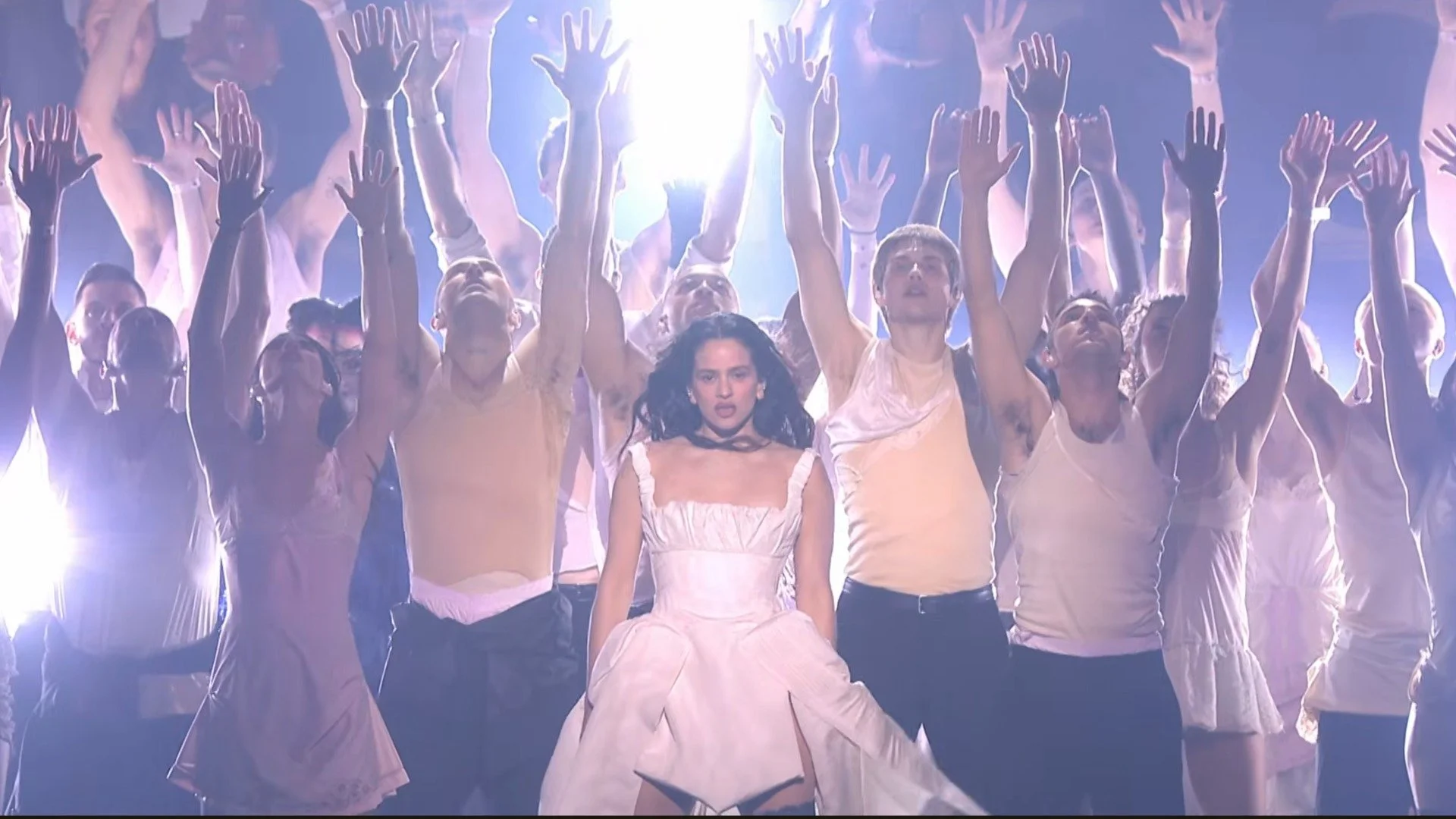
Rosalía performs Berghain at 2026 BRIT Awards. Credit: YouTube
Some organisations are already there:
The Australian Youth Orchestra is committed to making 40% of its 2026 season tickets free, not as a concession but as a reframe. They stopped selling classical music and started selling a voyage of discovery. The Oregon Shakespeare Festival turned TikTok into a backstage pass, building millions of impressions with the 18–24 demographic simply by showing the craft behind the curtain: the costume construction, the fight choreography, the beautiful mess of live performance. The Frick Collection introduced Quiet Mode across its digital platforms: reduced motion, simplified layouts, and an intentional exhale. Not high culture. A sanctuary.
Others are still catching up. Still leading with prestige. Still speaking to the audience they already have.
Adelaide, characteristically, got there early. The Fringe didn't respond to this shift; it invented it. Open-access, artist-led, sprawling across warehouses, laneways, pop-up bars and parks, it built its entire model around spontaneous discovery, non-traditional venues, and no prestige pricing. It proved the appetite existed long before the institutions were willing to trust it.
The Adelaide Festival has been reading that room too. Incoming Artistic Director Matthew Lutton treated an aging audience demographic not as a crisis but as a brief. The 2026 season launched a flat $40 ticket initiative for under-40 attendees, brought Isabelle Huppert to perform Mary Said What She Said, a one-woman work running entirely on a single human being's presence, and moved Ensemble Pygmalion into St Peter's Cathedral for Monteverdi's Vespers. Heritage as backdrop, not as barrier.
The best cultural institutions don't separate their creative vision from their audience strategy. They're the same conversation. And the organisations getting it right aren’t choosing between new audiences and existing ones. Younger audiences find atmosphere, trust, and something genuinely worth leaving the house for, while existing patrons find renewed pride in spaces that feel considered again.
We’ve seen this firsthand. Working with Adelaide Film Festival’s Creative Director Mat Kesting, we built a brand that could hold a genuine cultural ambition –not just promote a program but express a point of view, and party, too. That’s the brief we bring to every arts client: not how do we market this, but how do we make people feel like they’d be missing something if they weren’t there.
Chalamet wasn’t exactly wrong; something did feel broken. He was just looking at the institutions and not the art. The work was never the problem.
The arts don't need saving. They need smarter stewards.
Aryani Singh, Marco Cicchianni, March 2026